Parents guide to kids braces
Getting those early trips to the dentist will help your child get used to a good oral care routine and alert you in advance that your child is going to need braces. Braces can correct a number of tooth and jaw problems, but the thought of taking your child to the orthodontist may be more daunting if you are unaware of what to expect.
Why Would My Child Needs Braces?

If their teeth are crooked, or if they have an overbite or underbite, a child may feel self-conscious about their smile and have trouble chewing food as well as brushing and flossing teeth.
Having these issues resolved early on can increase a child’s self-esteem and confidence, especially for kids with seriously crooked teeth. It can also keep dangerous health issues from developing down the line.
Contact Arlington Dentist now to schedule an appointment with our dentists.
Underbite
If the upper jaw is inside the lower jaw, this is called an underbite. It can create pain, trouble eating and the awareness of a less than aesthetic appearance. Orthodontists can also use braces to expand the jaw to correct underbites.
Overbite
An overbite — when the top teeth overlap the bottom ones too much — also noted to need braces. Overbites can cause wear on the teeth, as well pain and issues when chewing or eating.
Crossbites
Crossbites are when some of the upper teeth sit inside the lower teeth and they can make biting and chewing difficult, along with bringing headaches and muscle pain. If it is untreated, it can alter the shape of your child’s face.
Overcrowding
Overcrowding happens when the mouth is too small to accommodate all of the teeth. In fact, both crossbites and overcrowding may need pulling teeth or expansion of the jaw with braces.
Mouth breathing
This is something you can see at home that might indicate your child will need braces. Your tongue touches the roof of the mouth and upper teeth when breathing from your nose. That doesn’t occur with mouth breathing, and lower tongue placement can eventually lead to malformation of the jaws.
Lost baby teeth early
If your child lost baby teeth early, this can also result in requiring braces because the adult teeth belong will not come in correctly spaced, leading to misalignment. Kids who suck their fingers or thumbs (especially if they continue doing so after a few years) often end up needing braces too. This sucking can remove baby teeth and it is also capable of misaligning the jaw.
What is the Right Age to Get Braces?
Kids in elementary school are also often put in to braces, and many kids should be screened by age 7 per orthodontist recommendations. But the option of waiting until kids have all their permanent teeth to get braces may also be a sensible choice. And that’s because if they get braces and then grow more teeth, the new ones might push out their straightened siblings, necessitating another round of braces.
For most kids, this involves braces at ages 9 to 14. But when it comes to a crossbite or overcrowding, early treatment may be preferable because jaw expansion or teeth extraction now may stave off surgery later.
Options Available for ChildrenBraces
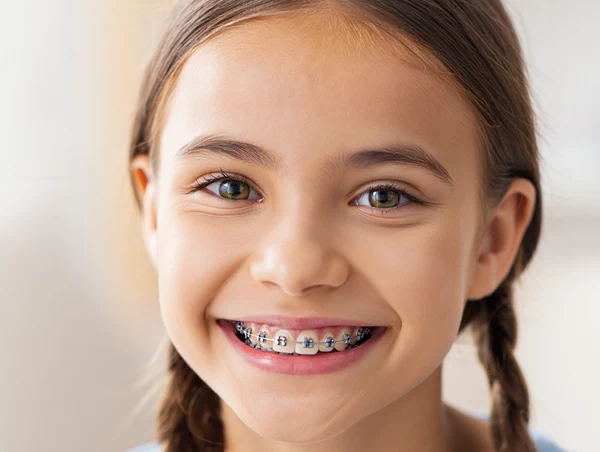
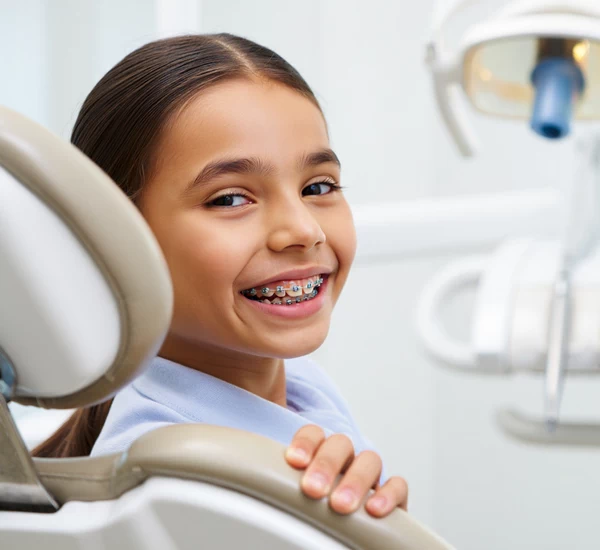
Most children get one of two kinds of braces. The first alternative is the traditional metal braces that involve brackets being attached to the teeth and connected with wires. They also use rubber bands, which are available in multiple colors for the kids to choose from.
Over the course of treatment, orthodontists tighten the wires so that the teeth line up. Some orthodontists also provide clear or ceramic brackets, which are less conspicuous. Lingual braces, which are similar but attached to the backs of the teeth so they aren’t visible.
Invisible Aligners – Orthodontics
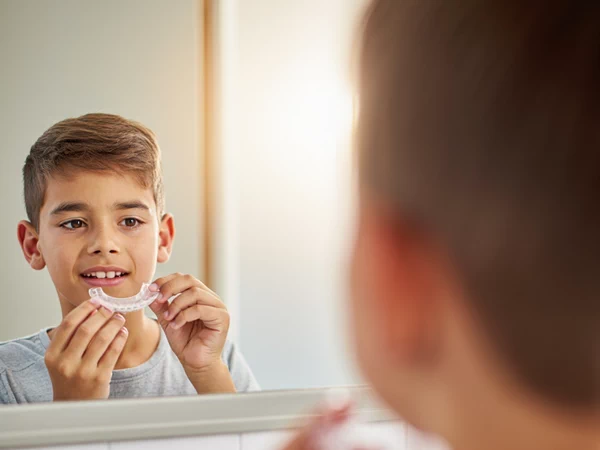
Invisalign is also an option. That involves an elastic, clear plastic aligner that gradually moves the teeth. Every few weeks, you will need to switch to a new aligner. Invisalign, however, may not be ideal for children because the aligner must be worn at least 22 hours a day; it is all too easy for a child to remove the device to eat or drink and then fail to put it back in.
How Much Do Braces Cost?
Traditional metal braces are the most inexpensive option, costing between $3,000 and $7,500. Lingual braces are the most expensive, costing $5,000 to $13,500. It also doesn’t have to come at your personal expense. If you are insured, they might pay for part of the cost.
Staying with the same insurance company all along can help save costs as requirements remain constant. In some states, Medicaid will also cover braces. Alternatively, you can buy a dental savings plan. Regardless of insurance, see if you can negotiate a payment plan with the orthodontist to divide the cost over the course of treatment. Some charities, such as Smiles Change Lives, can also help with orthodontic costs if you don’t have the means for braces.
Treatment Duration
The length of time your child needs to wear braces will depend on the severity of the issue being addressed. You should be able to get a customized estimate before the orthodontic treatment starts, but it might range anywhere from six months to three years.
Restrictions With Braces
The most significant limitation regarding braces has to do with what your child can eat. They’ll still be able to play musical instruments and participate in sports, but will have to avoid foods that could break or become stuck to the braces. Hard vegetable matter, caramel, gum, hard candy and toffee fall into this category.
Braces Aftercare
Once the braces are removed, your child will feel a little bit of tenderness while getting used to not having anything holding his or her teeth in place.
The orthodontist may also provide you with a retainer, which the child will have to wear as instructed, in order for their teeth to remain in their new position.
Ready to schedule an appointment?
Contact us today to schedule a consultation or appointment.
Top FAQs on Why a Visit to an Orthodontist Is So Important & When Your Child Should Have Their First Appointment
Can braces be put on small children?
Braces for Young Kids Might Not Always Be Best: An earlier start to braces — putting them on young kids, for example — makes it easier to move the teeth now, but make a second round of treatment later on more likely.
Why Orthodontics Matter?
The purpose of orthodontics is to have a functional bite, so the patient gets good mastication and speech, in addition to having their teeth hygiene.
Is Invisalign Right for Kids?
The allure of more secretive dental devices can be hard to resist, but most children simply are not responsible enough to wear their invisible aligners for 22 hours or more a day as recommended.
What is the cost?
races are expensive, and insurance may cover at least part of the cost for children.